The Lesbian Film Archive
In Ryan Engley and Todd McGowan’s podcast Why Theory, they explain their theory behind what makes a Christmas film a Christmas film (2018 episode part one, part two, 2021 episode). Their two main criteria are that there must be a character rescued from cynicism, and the castration of the father figure or authority figure. While castration of the father figure seems a bit dark for these typically family friendly feel good movies, it holds up remarkably well, in everything from It’s a Wonderful Life to Die Hard to Shop Around the Corner. In lesbian holiday films this pattern continues. There is often cynicism tied to queerness, fear of being out and consequences of being gay, that is overcome through a commitment to one’s partner and queerness. Further, in lesbian holiday films, the castration of the father or authority figure often comes through the lesbian figure, as lesbians are already figures of castration. With or without this psychoanalytic reading, these holiday films showcase the Christmas spirit for queer people, often in movies that are mediocre at best (Carol and Rent, I exclude you from this claim). However, as so many reviewers point out, don’t lesbians deserve bad Christmas (and one Thanksgiving) movies too?
Holiday films
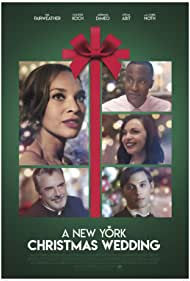
Jennifer Ortiz (Nia Fairweather) is set to be married on Christmas to her loving boyfriend, when an angel appears to show Jennifer her a life where she would instead be marrying her childhood best friend Gabby (Adriana DeMeo). Instead, this movie tackles so many issues (all tonelessly): still births, abortion, homophobia in the church, Big from Sex and the City as a Priest, time travel, and more. Truly an off-kilter, confusingly Christmassy film.

The film that launched 1000 lesbian stan accounts dedicated to Cate Blanchett. Adapted from Patricia Highsmith's The Price of Salt, Carol follows Therese (Rooney Mara) an aspiring photographer currently working as a shop attendant. Near Christmas, she meets the glamourous Carol (Cate Blanchett), who is currently going through a messy divorce and custody battle with her husband. As the two women gravitate towards each other, the stakes of Carol's divorce become higher.

This is one for the lesbian horse girls. Christmas at the Ranch follows Haley Hollis (Laur Allen) as she returns home to Tennessee to try and save her family ranch from closure. While there she meets, and falls for, ranch hand Kate (Amanda Righetti), and the two begin a Christmas romance.

Ainsley Sadler (Alexandra Swarens) has returned to her hometown despite the reasons she left it in the first place. While home, she runs into Sophie Michaels (Olivia Bucke) and is forced to deal with her unresolved feelings. City of Trees is a fumbling but ultimately earnest Christmas comedy, where Ainsley and Sophie must address their feelings for one another and begin again.
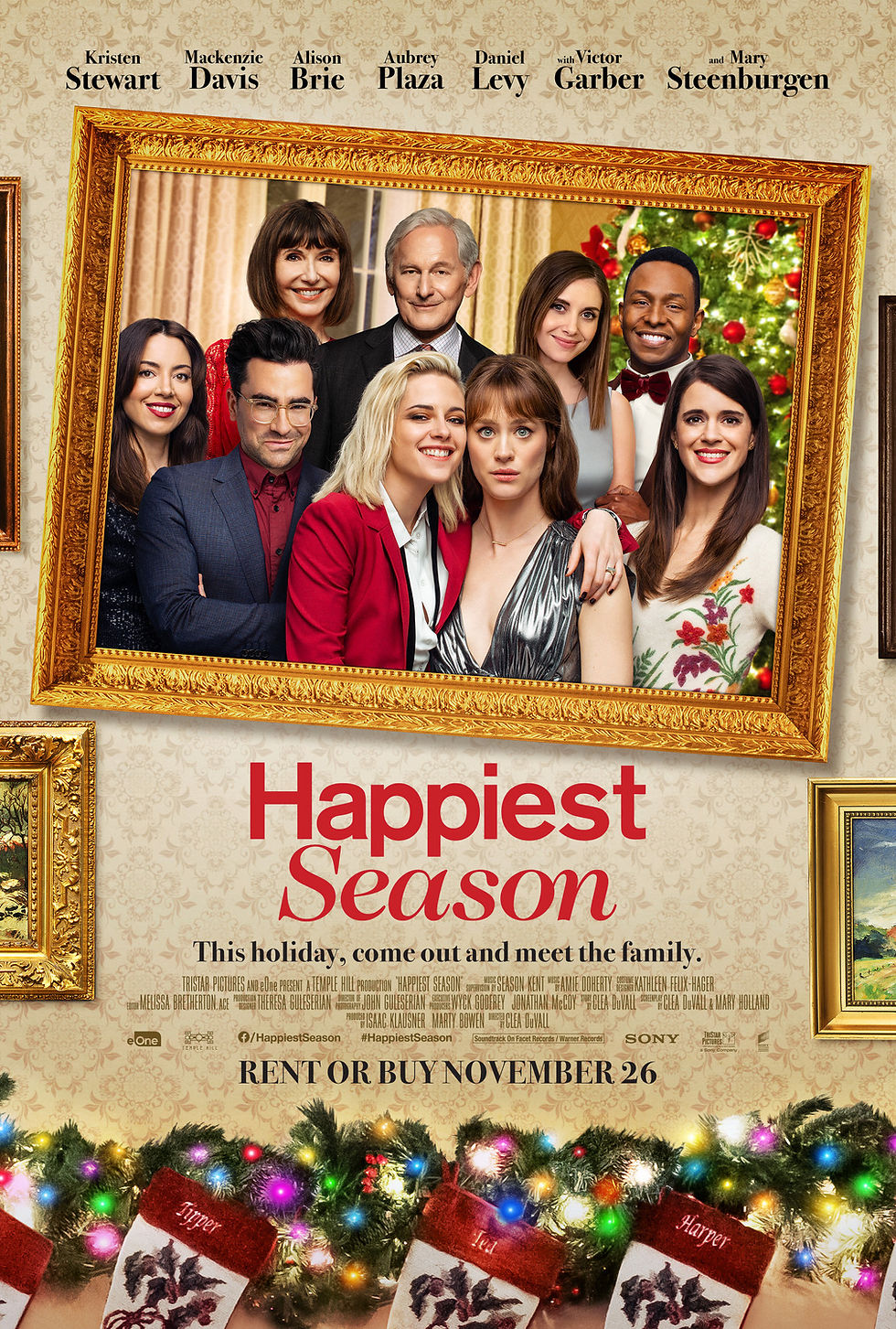
In Happiest Season, its anything but as Harper (Mackenzie Davis) has invited her girlfriend Abby (Kristen Stewart) home, without telling her family Abby is her girlfriend. As hijinks insue from all sides, will Abby and Harper make it through Christmas unscathed?

In this corny coming out film, Lauren (Jenna Laurenzo) attempts to come out to her family by bringing her girlfriend (Caitlin Mehner) home for Thanksgiving. When her male roommate (Brandon Micheal Hall) also shows up, she convinces him to play along with her farce until she feels confident coming out to her family.
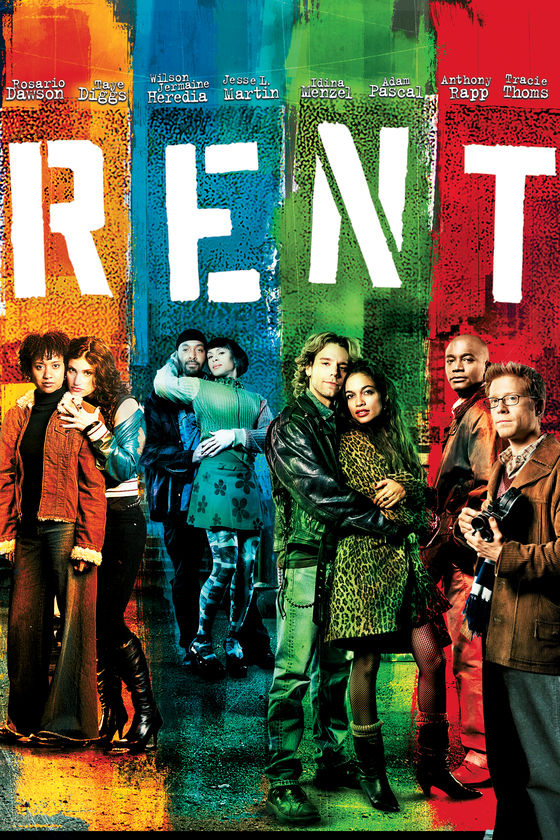
Adapted from the stage musical, Rent follows an ensemble cast of struggling artists, dancers, a lawyer, and a professor in New York City as they grapple with their careers, their love lives, AIDS, and each other. Rent also brings the incredible lesbian break-up song Take Me or Leave Me to the big screen!

An over the top holiday film, Season of Love follows three different couples in vingettes set between Christmas and New Years.
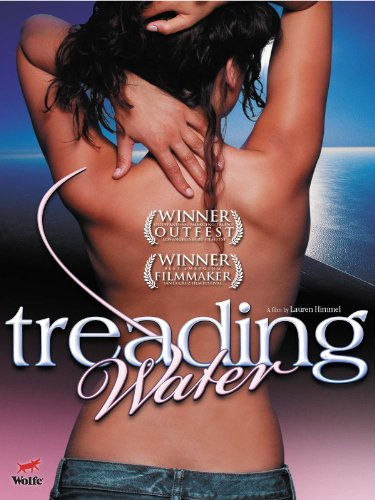
Formerly uppercrust Casey (Angela Redman) has rejected her old lifestyle to restore old boats and live with her social worker girlfriend Alex (Nina Landey). However, just across the bay, her family wants her home for Christmas, without Alex. In Treading Water, Christmas becomes a battleground for old fights and new ones as Casey brings Alex home with her.

Lifetime's first lesbian holiday romance has everything: a high powered marketing genius and a Christmas tree whisperer (with a twist), gingerbread house competitions, u-hauling, and Ricki Lake. This film is a true Lifetime movie that happens to be about lesbians, in that there is very little angst or homophobia and the focus instead is on the relationship and the magic of Christmas.
Lesbian Christmas films are also an interesting category as it is one where "traditional" Christmas films (such as the Lifetime/Hallmark films) are only starting to appear. While Carol and Rent are on this list because they are Christmas films (both in setting, theme, and under Why Theory constraints), they are different from the other Christmas movies on this list in that they lack the family friendly fare a "classic" holiday film offers. However, the influx of lesbian Christmas films over the past few years point to the similarities between all of these films, in that queerness is often an obstacle. In A New York Christmas Wedding, queerness is an obstacle that must be overcome for a successful straight marriage, but more commonly in these films characters must accept their queerness and come out in order to accept happiness (Lez Bomb, Happiest Season, Treading Water, Carol). This emerging trope in lesbian holiday films constructs queerness as an oddity that must be dealt with, but because of the happy ending that this kind of film requires, this typically results in acceptance from all parties.